
Understanding Financing Options for Window and Door Upgrades
JD
Introduction to Financing Options
Upgrading your windows and doors can significantly enhance your home's energy efficiency, security, and aesthetic appeal. However, these improvements often come with substantial upfront costs. Understanding your financing options can help make these upgrades more affordable and manageable.
Personal Loans
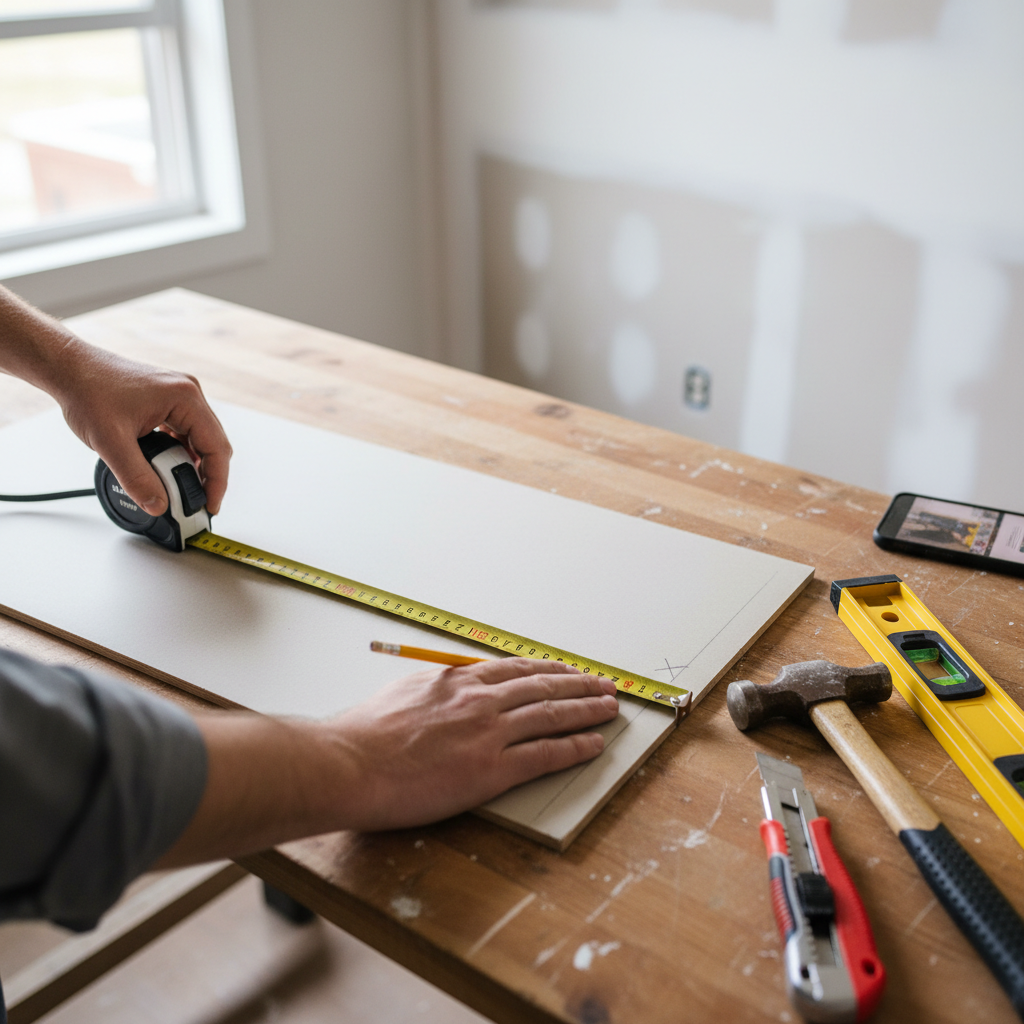
One of the most common ways to finance window and door upgrades is through a personal loan. This option allows you to borrow a fixed amount of money and repay it over a set period with interest. Personal loans are often unsecured, meaning you don't need to put up collateral, which can be beneficial if you want to avoid risking your home.
Personal loans can be a good choice if you need quick access to funds and prefer a straightforward repayment plan. However, interest rates can vary significantly depending on your credit score and lender.
Home Equity Loans
Home equity loans are another viable option, especially for homeowners with significant equity built up in their homes. These loans use your home as collateral, often resulting in lower interest rates compared to personal loans. Home equity loans provide a lump sum that you repay over time, similar to a mortgage.
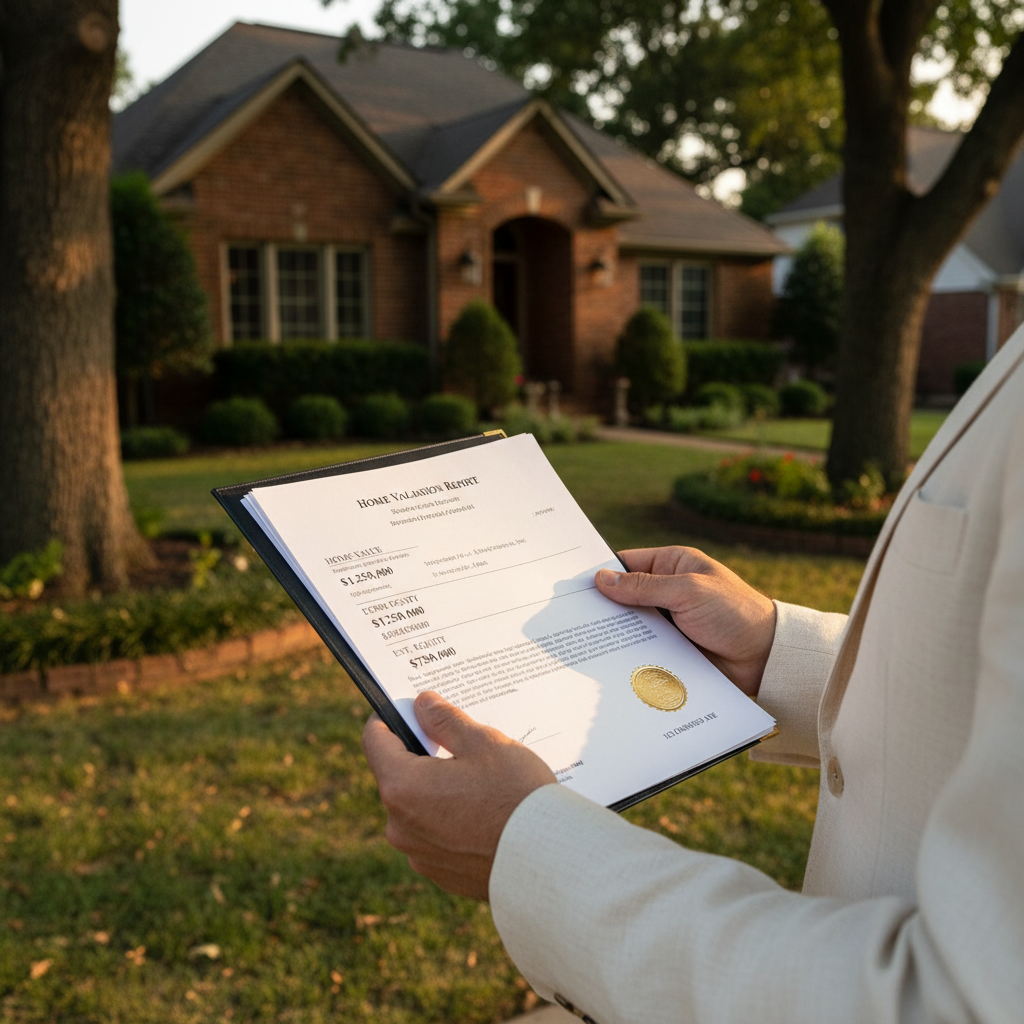
While home equity loans can offer attractive rates, they do carry the risk of losing your home if you default on the loan. Therefore, it's crucial to ensure you can comfortably manage the repayments before choosing this option.
Home Equity Lines of Credit (HELOC)
A HELOC is a flexible financing option that allows you to borrow against your home equity as needed, up to a predetermined limit. Unlike a home equity loan, a HELOC works more like a credit card, giving you access to funds over a draw period, followed by a repayment period.
- Flexible borrowing limits
- Interest only on the amount borrowed
- Potential tax benefits
HELOCs are ideal for homeowners who want flexibility in accessing funds, but they also require discipline in managing repayments to avoid financial pitfalls.

Government Programs and Incentives
Various government programs and incentives can also help offset the cost of window and door upgrades. These programs often aim to promote energy efficiency and may offer grants, rebates, or low-interest loans to qualifying homeowners.
Researching local and federal programs can provide additional savings and make your upgrades more affordable. Be sure to check eligibility criteria and application processes to take full advantage of these opportunities.
Credit Card Financing
For smaller projects, using a credit card might be a feasible option. Some credit cards offer promotional 0% interest periods, allowing you to spread the cost over several months without incurring interest charges.
However, it's important to be cautious with credit card financing, as interest rates can be high once the promotional period ends. Aim to pay off the balance within the interest-free timeframe to avoid additional costs.
Conclusion
Understanding the various financing options available for window and door upgrades can help you make informed decisions and manage costs effectively. Whether you choose a personal loan, home equity options, or take advantage of government incentives, assessing your financial situation and needs is crucial.
By exploring these options and seeking professional advice, you can enhance your home's value and efficiency without straining your finances.