DIY Guide: Replacing Screens for Energy Efficiency
JD
Understanding the Importance of Energy-Efficient Screens
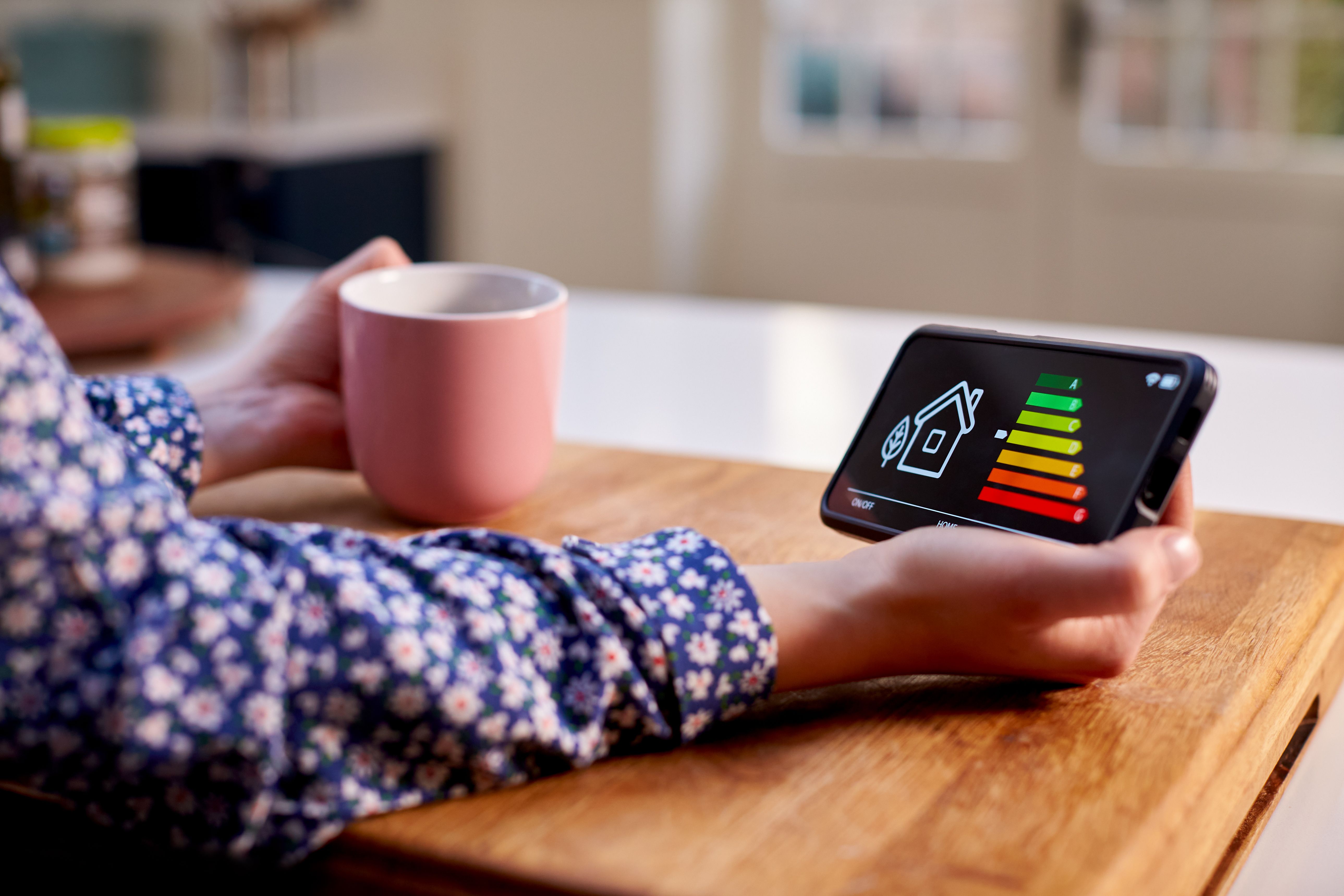
Homeowners often overlook the impact that window screens can have on energy efficiency. Replacing old or damaged screens with energy-efficient options can significantly reduce energy costs. These screens help in controlling the amount of sunlight and heat entering your home, leading to a more comfortable indoor environment.
By using screens that reflect or absorb solar radiation, you can reduce the need for air conditioning during hot months. This not only saves energy but also reduces your carbon footprint. Understanding the benefits of energy-efficient screens is the first step towards making a positive change.
Choosing the Right Screens
When selecting new screens, consider factors such as the material, mesh size, and UV protection. Common materials include fiberglass, aluminum, and polyester. Each material has its own advantages, so choose one that aligns with your specific needs.
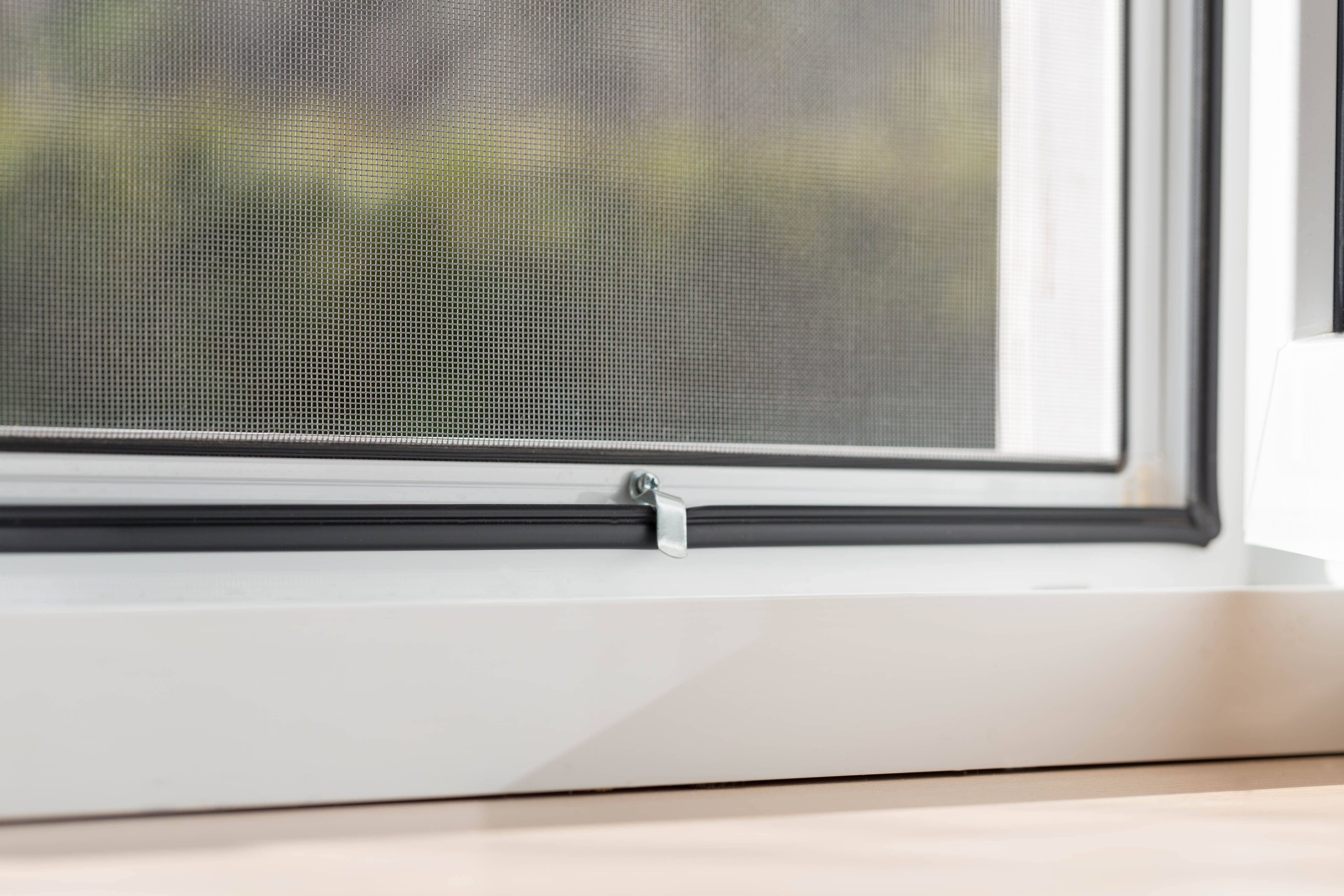
Mesh size is crucial as it determines the screen's ability to block sunlight while still allowing airflow. For optimal energy efficiency, look for screens with a tighter weave. Additionally, screens with UV protection can further prevent heat gain and protect your interior furnishings from sun damage.
Tools and Materials Needed
Before beginning the replacement process, gather all necessary tools and materials. Here's a list to get you started:
- Replacement screen material
- Screen spline and spline roller
- Utility knife
- Flathead screwdriver
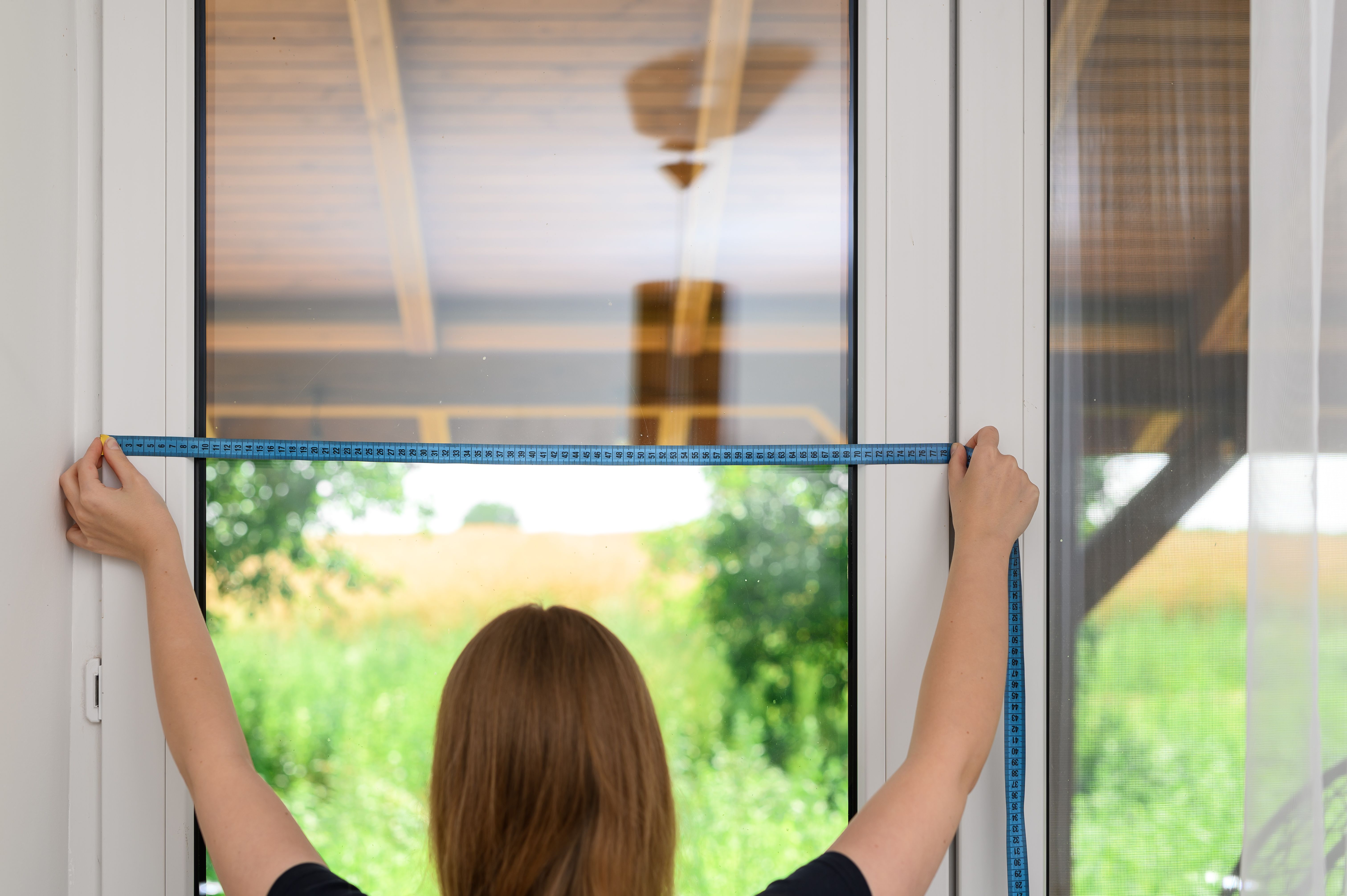
- Measuring tape
Having these tools ready will ensure a smooth and efficient replacement process. Make sure to measure your windows accurately to purchase the right size of screen material.
Step-by-Step Replacement Process
Replacing screens is a straightforward process that you can tackle in an afternoon. Follow these steps to ensure a successful replacement:
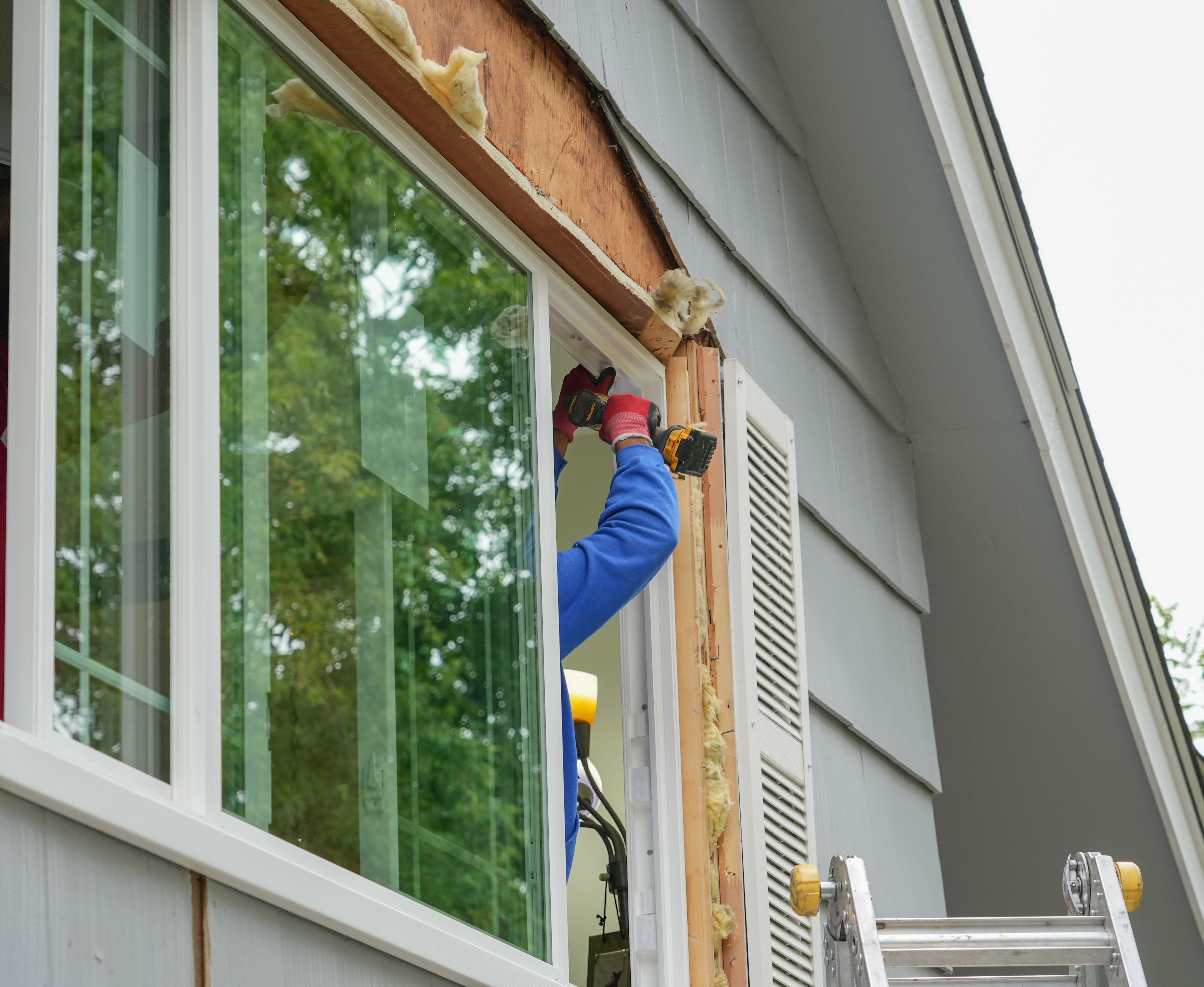
- Remove the old screen from the window frame using a flathead screwdriver.
- Lay the new screen material over the frame, ensuring it overlaps the edges.
- Use the spline roller to press the new spline into the grooves of the frame, securing the screen in place.
- Trim any excess screen material using a utility knife.
Maintenance Tips for Longevity
Once your new screens are installed, regular maintenance will help them last longer. Clean screens periodically with a mild soap and water solution to remove dust and debris. Avoid using harsh chemicals that could damage the material.
Inspect screens for tears or damage, especially after severe weather. Prompt repairs can prevent small issues from becoming larger problems. By maintaining your screens properly, you'll maximize their energy-efficient benefits.
Additional Benefits of Energy-Efficient Screens
Beyond energy savings, these screens offer additional advantages. They can improve privacy by limiting visibility from outside and reduce glare on electronic devices. Moreover, they can enhance the aesthetic appeal of your home with various color and design options.
Investing in energy-efficient screens is a cost-effective way to improve your home's overall performance. With reduced energy bills and increased comfort, it's a worthwhile project for any homeowner.