
DIY Guide: Inspecting Your Windows for Damage Before Calling Professionals
JD
Introduction
Windows are a crucial part of any home, providing light, ventilation, and aesthetic appeal. However, they are also vulnerable to damage over time. Inspecting your windows regularly can help you spot potential issues early, saving you from costly repairs. Here's a DIY guide to help you inspect your windows for damage before calling in the professionals.
Why Inspect Your Windows?
Regular inspections can prevent minor issues from becoming major problems. Damaged windows can lead to energy loss, water leaks, and even security vulnerabilities. By taking the time to inspect them, you can maintain your home's energy efficiency and safety.
Tools You'll Need
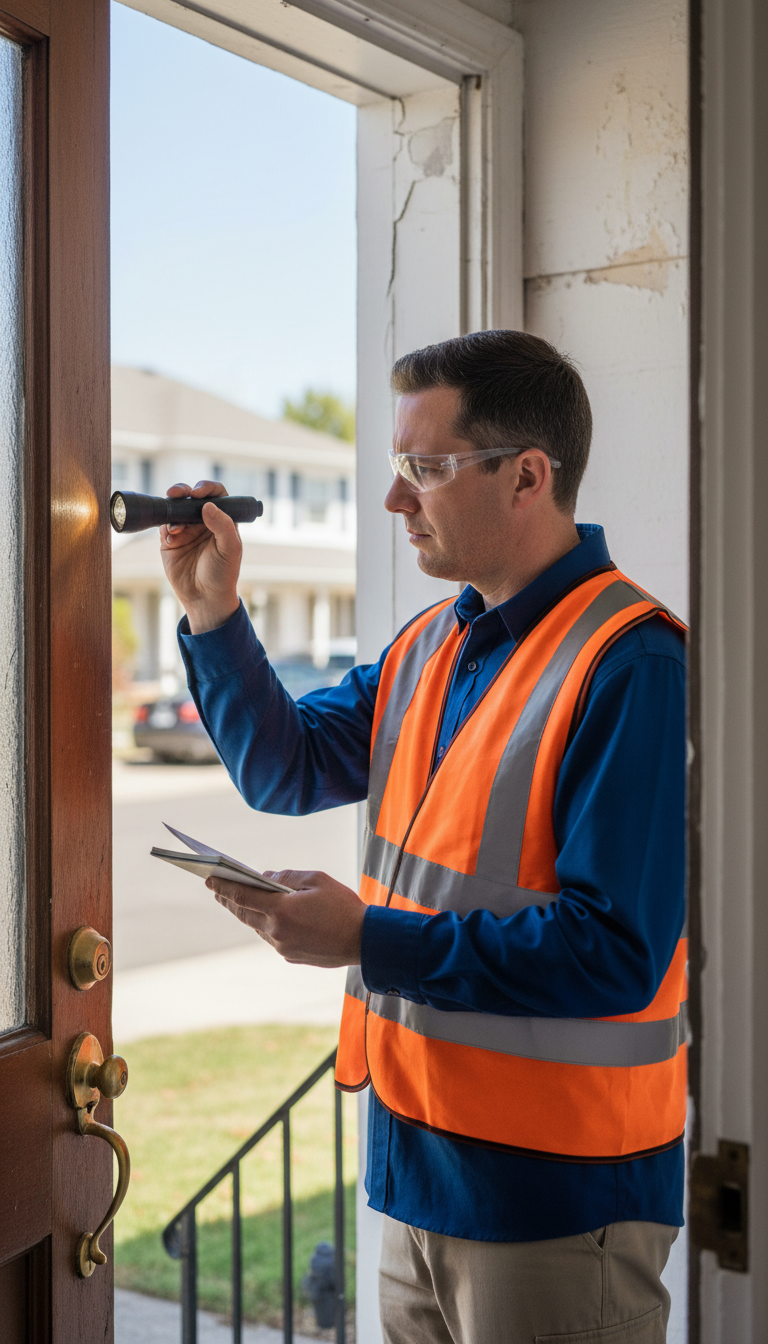
Before you begin, gather the necessary tools:
- Flashlight
- Screwdriver
- Level
- Caulking gun
- Tape measure
Check for Physical Damage
Start by examining the window frames and sashes for any signs of physical damage such as cracks, rot, or warping. Use a flashlight to inspect hard-to-see areas and ensure all hardware is intact and functioning properly.
Inspect the Glass
Look for cracks or chips in the glass. Even small imperfections can compromise the integrity of the window, leading to potential breakage. If you notice any damage, it's crucial to address it promptly.

Assess Seals and Weatherstripping
Inspect the seals and weatherstripping around your windows. Damaged or worn seals can lead to drafts and water leaks. Check for gaps or brittleness, and replace any damaged sections to maintain energy efficiency.
Test for Air Leaks
A simple way to check for air leaks is to hold a lit candle near the edges of the window. If the flame flickers, there might be a draft. Addressing air leaks can significantly reduce your energy bills.
Evaluate Window Operation
Open and close each window to ensure smooth operation. Sticking or jamming can indicate alignment issues or debris in the tracks. Clean the tracks and lubricate moving parts as needed.
Look for Moisture Damage
Check for signs of moisture damage such as discoloration, mold, or peeling paint around the windows. These could indicate leaks or condensation issues that need immediate attention.
Conclusion
By regularly inspecting your windows, you can catch potential problems early and save on costly repairs. However, if you encounter significant damage, it's best to consult with a professional. Keeping your windows in good condition not only enhances your home's appearance but also improves its energy efficiency and safety.